The looming possibility of stage 6 blackouts this weekend has left many South Africans anxiously waiting for updates on load-shedding schedules. With the national power grid under intense strain, staying informed has become more important than ever. Stage 6 represents one of the most severe levels of load-shedding and can significantly disrupt daily routines, businesses, and essential services. This article focuses on the February load-shedding outlook, highlighting which towns may be affected and how residents can prepare to reduce the impact of extended power cuts.

Understanding Stage 6 Load-Shedding in South African Towns
Stage 6 load-shedding is implemented to prevent a total collapse of South Africa’s power grid. At this level, around 6,000 megawatts of electricity are removed from the system, leading to widespread and frequent outages. Power cuts can last up to four hours at a time and may occur several times within a single day. This level of disruption affects households, businesses, and public services alike, making it critical for residents to understand what stage 6 entails and how it impacts their area.
Key points to note:
 Goodbye to Retirement at 65: Fresh Pension Age Debates Reshape Long-Term Planning From February 2026
– Blackouts can last up to four hours.
– Power cuts may happen multiple times a day.
– Essential services can also be affected.
– Businesses must plan for operational disruptions.
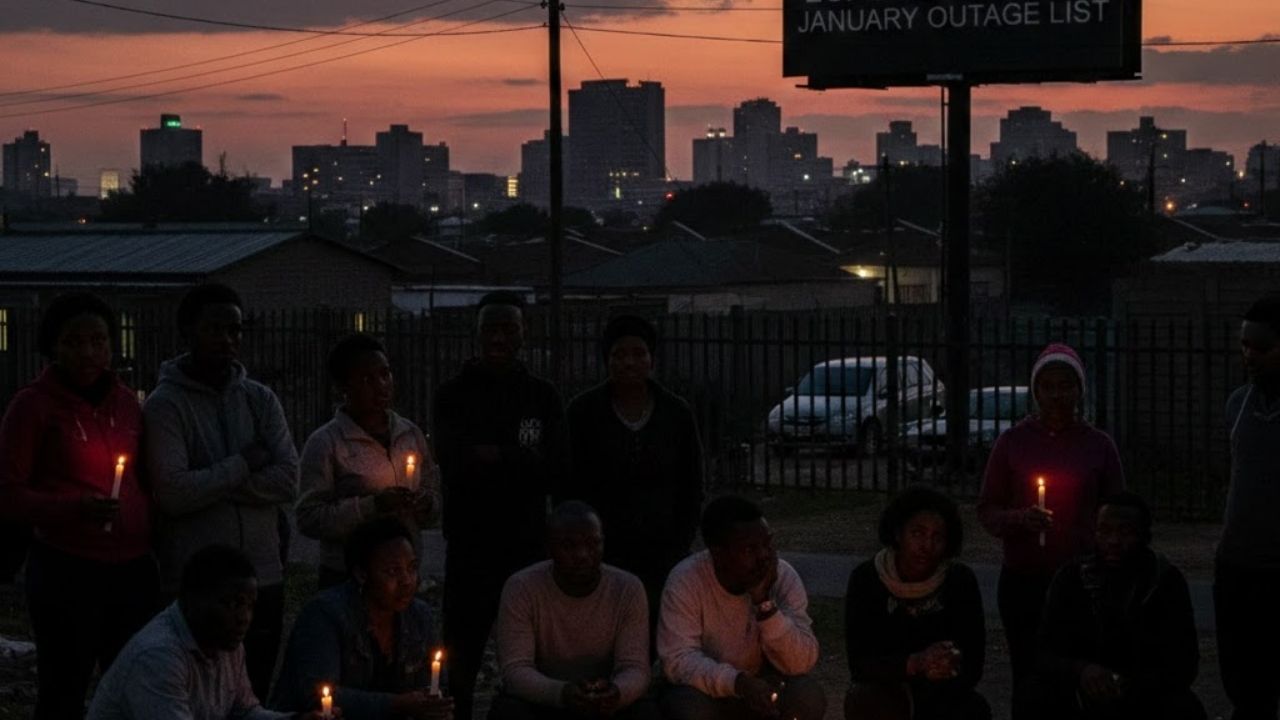
February Load-Shedding Schedule: What to Expect
The February load-shedding schedule is an important resource for South Africans trying to plan ahead. Issued and updated by Eskom, the schedule outlines expected outage times, affected regions, and the load-shedding stage in place. While schedules may change depending on electricity demand and generation capacity, keeping track of these updates can help households and businesses minimise inconvenience and avoid being caught off guard.
| Town | Stage | Date | Time | Duration | Remarks |
|---|---|---|---|---|---|
| Cape Town | Stage 16 | February 25 | 10:00 – 14:00 | 4 hours | High demand |
| Johannesburg | Stage 14 | February 26 | 12:00 – 16:00 | 4 hours | Maintenance |
| Durban | Stage 13 | February 27 | 14:00 – 18:00 | 4 hours | Moderate demand |
How Residents Can Prepare for Potential Blackouts
Preparation plays a vital role in coping with stage 6 blackouts. Simple proactive steps can help households maintain comfort and safety during extended outages. Charging essential devices, securing alternative lighting, and planning for food storage can significantly reduce stress. Staying informed through official Eskom updates also allows residents to adjust daily plans as schedules change.
| Preparation Tip | Description | Benefit |
|---|---|---|
| Charge Devices | Fully charge phones and laptops | Stay connected during outages |
| Backup Power | Use generators or power banks | Run essential appliances |
| Food Storage | Prepare coolers and ice packs | Protect perishable food |
| Lighting | Keep candles and torches ready | Maintain visibility |
| Stay Informed | Follow Eskom announcements | Plan around changes |
Impact of Blackouts on South African Communities
Load-shedding has wide-ranging effects beyond temporary inconvenience. Businesses often face lost income due to interrupted operations, while households struggle to maintain daily routines. Schools, clinics, and hospitals may also experience disruptions, highlighting the vulnerability of essential services during prolonged outages. These challenges contribute to increased stress, anxiety, and reliance on alternative power solutions within communities.
Common impacts include:
– Economic losses for businesses.

– Disruptions to education and healthcare.
– Greater dependence on backup power.
– Increased stress and uncertainty.
– Higher security concerns during outages.

Strategies to Mitigate the Effects of Load-Shedding
Reducing the impact of load-shedding requires coordinated efforts from government, businesses, and communities. Expanding renewable energy sources such as solar and wind can ease long-term pressure on the grid. Improving energy efficiency at household and commercial levels can also lower demand. Community-based initiatives, including shared security measures, help maintain safety and resilience during blackout periods.
Key mitigation strategies:
– Invest in renewable energy solutions.
– Improve energy efficiency practices.
– Strengthen community safety initiatives.
– Encourage collaboration between government and private sectors.