South Africa is set to undergo a major overhaul of its Driving Licence system in 2026, driven by efforts to improve road safety, curb fraud, and modernise transport administration. The revised licence regulations will impact both new applicants and existing drivers, making it essential for motorists to understand how these changes may influence driving behaviour and how best to prepare in advance.

Reasons Behind the Update in Licence Rules
The existing driving licence framework has faced persistent challenges, including inefficient renewal processes, outdated infrastructure, and a rising incidence of fraud. In response, authorities are revising the system to make licensing more secure, efficient, and aligned with modern transport and road safety standards. The objective is to create a more transparent and reliable licensing process nationwide.
Principal Changes to Look Out for in 2026
The 2026 reforms are expected to introduce clearer rules and more structured enforcement. By addressing loopholes and simplifying procedures, authorities aim to reduce corruption risks and strengthen compliance within traffic and licensing departments, ultimately enhancing overall road safety.

What New Drivers Should Expect
New drivers may be required to complete a more advanced learner and testing programme. Driver training is expected to be enhanced, focusing on developing safer driving habits from the outset. These improvements are designed to build a strong foundation for responsible driving and reduce accident risks among newly licensed motorists.
What Existing Licence Holders Should Be Aware Of
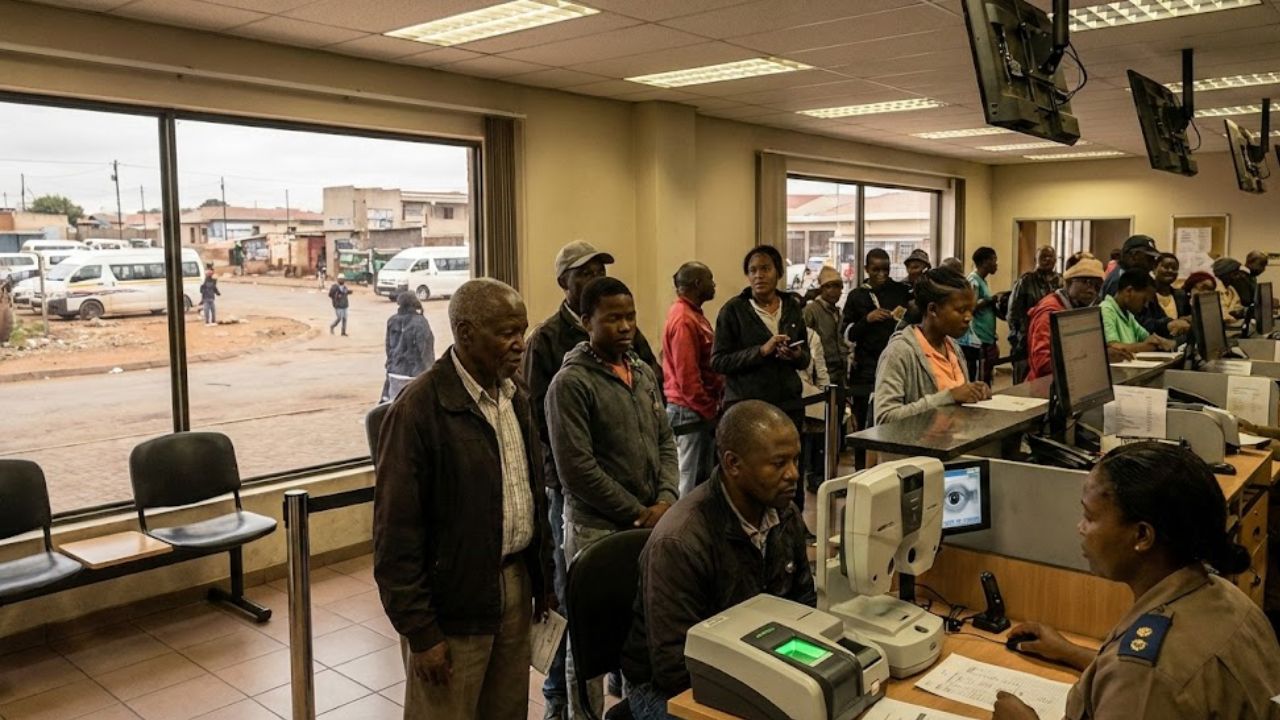
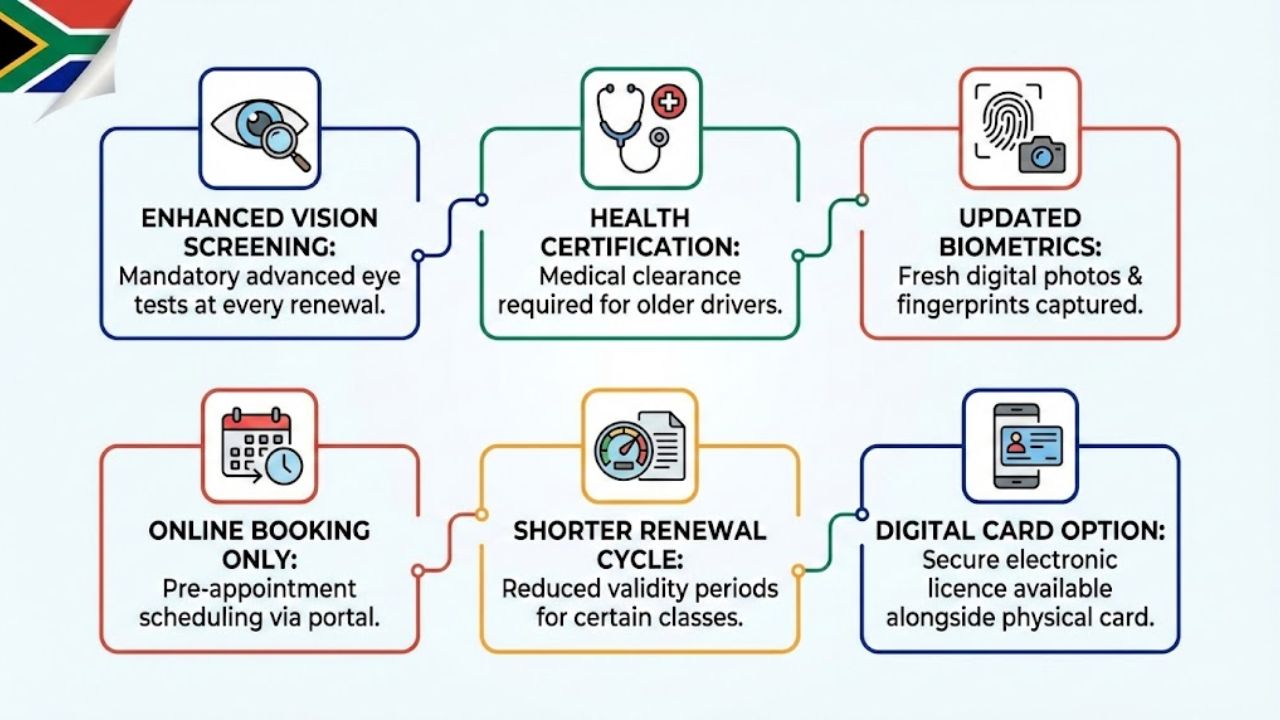
For licence renewals and re-issuance, existing drivers may face additional requirements, such as medical and vision assessments. These measures are intended to ensure that drivers remain fit to operate vehicles safely. Stricter renewal procedures may also discourage delays and non-compliance among licence holders.
 Smart Speed Cameras: South Africa Starts R2,000 Fines in February 2026 and Drivers Face New Risks
Digital Systems and Modernisation
Digital transformation is expected to play a central role in the 2026 updates. Expanded use of online systems for applications, renewals, and appointment bookings is likely to reduce queues, shorten processing times, and improve overall service delivery. These changes aim to make the licensing process faster, more accessible, and more transparent.
Preparing for the New Rules
Drivers are strongly advised to keep their personal information accurate and up to date, renew licences before expiry, and stay informed through official government communications. Early awareness of the upcoming changes will help motorists adapt smoothly once the new regulations are implemented.
Conclusion
The proposed 2026 driving licence reforms are expected to contribute to safer roads and a more efficient licensing system in South Africa. By staying informed and prepared, drivers can adjust more easily to the new requirements and benefit from a modernised, secure, and streamlined licensing process in the years ahead.