The South African government has announced major changes to how the Unemployment Insurance Fund Act will work from 2026 onwards. These updates aim to better protect workers and make sure the fund can handle increased demand during tough economic times and job losses. The government wants to improve financial stability for the fund while expanding its ability to help more people when they need support

How the Earlier UIF Amendments Were Introduced
In the old system UIF contributions had a maximum limit. This meant that workers who earned higher salaries quickly reached the highest contribution amount allowed. The previous system set clear limits on how much could be deducted from monthly wages. It also restricted the maximum payments that UIF would provide when workers faced unemployment, illness, or needed maternity leave.

What the New UIF Rules Mean in Practice
The contribution rates paid by employees & their employers will be affected by revised income thresholds starting in 2026. Both parties share the responsibility for making these contributions under the updated limits. High-income earners will need to pay slightly more each month as a result. This change aims to increase the Fund’s cash reserves for future savings.

Why Workers May See Higher Deductions Through Back Payments
For most low-income and middle-income workers, the monthly increase in UIF deductions is either too small to notice or barely visible. Workers earning near the new ceiling limit will see a more obvious change when looking at the numbers but it still represents only a small percentage of their total income.
How Employers Are Affected by the Changes
Employers are now affected by new regulations that require them to contribute the same amount to UIF as their employees. Large companies that manage substantial payrolls are facing increased monthly costs for UIF contributions. According to authorities this is a necessary exchange that will strengthen long-term employment security and provide better protection for workers.
How UIF Contribution Models Compare Internationally
The new contribution structure is intended to boost benefits, making it possible for increase payout compared to only a year ago for workers sacked whereas under maternity leave or otherwise bedridden due to illness for a long while. It can be maintained that these contributions are practically for nothing; therefore, in order to match real costs of the present day, there is need to ensure all the contributions are raised.
 Smart Speed Cameras: South Africa Starts R2,000 Fines in February 2026 and Drivers Face New Risks
Are UIF Benefits Expected to Rise in 2026?
UIF benefits should increase over time because of higher contributions. The maximum payout limit will be adjusted to give beneficiaries better support when they are no longer working.
Who Is Most Impacted by the Revised UIF Maximum?
Those members of the high-income and formal-employment sectors are mostly affected by the contribution increase. Those poor people who are neither informal workers nor holding jobs below minimum income thresholds or the like remain apparently unaffected by very minor or unaltered UIF deductions.
What Employees Should Check on Their Payslips
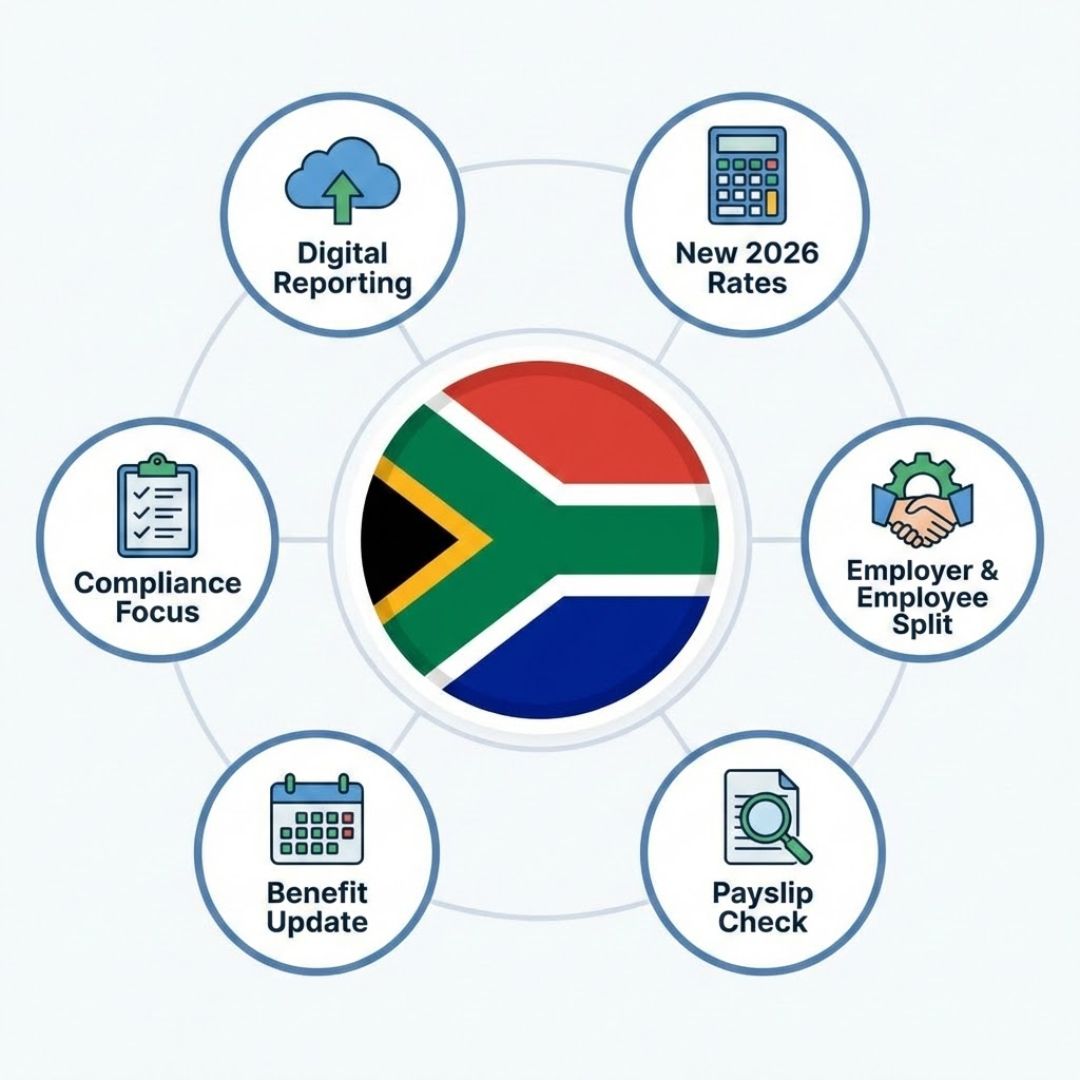
Workers need to check their social insurance contributions for UIF starting in 2026. If you notice something wrong or different from what you expected tell your employer right away so they can fix it under the new system.
What This Means for South Africa’s Workforce Overall
The 2026 UIF initiative shows a change in policy that aims to strengthen social security protection. Some workers will need to pay higher contributions but this tradeoff comes with expanded financial benefits that provide support during unemployment and difficult life situations. This approach demonstrates a more robust UIF system that can better serve people in the years ahead.