From 10 February 2026, India will introduce a significant change to its driving licence renewal process for older motorists. Drivers aged 60 and above will no longer be able to renew their licences without passing a basic vision screening test. The move is designed to reflect the realities of ageing and driving, as eyesight can change gradually over time. Authorities say the new requirement aims to improve road safety while still allowing capable senior drivers to remain mobile and independent. For many Indian drivers, this marks a clear shift from age-based trust to health-based assessment.
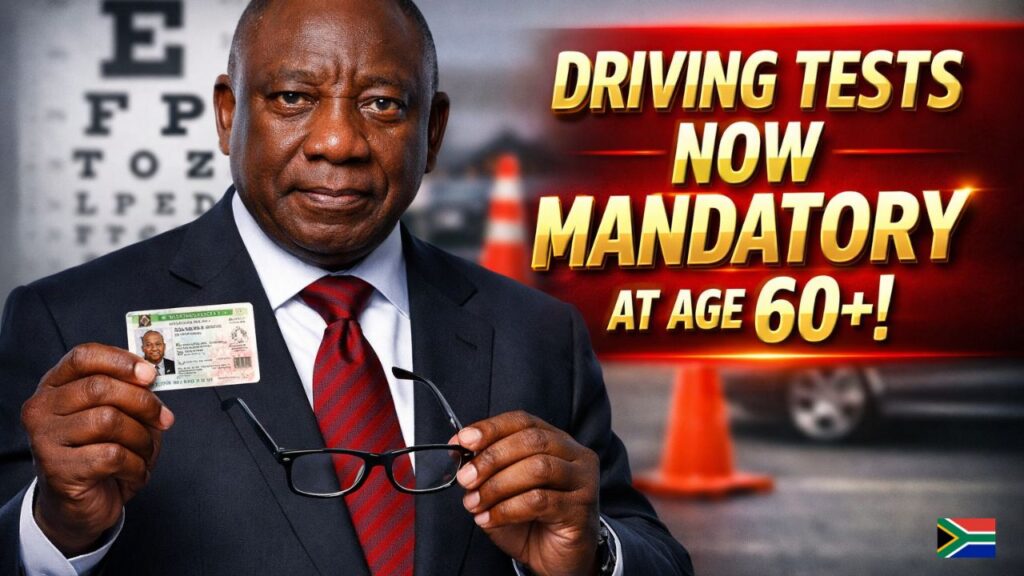
Mandatory vision test for licence renewal after 60
The new rule means that renewing a driving licence will now involve a simple eyesight check for drivers aged 60 and above. This vision screening rule focuses on clarity, peripheral vision, and basic depth perception rather than complex medical exams. Officials stress that the licence renewal change is not about removing older drivers from the road, but about identifying vision issues early. By introducing age-based testing, the government hopes to reduce crashes linked to poor visibility and reaction time. Overall, the policy reflects a stronger road safety focus without placing unnecessary pressure on responsible senior motorists.
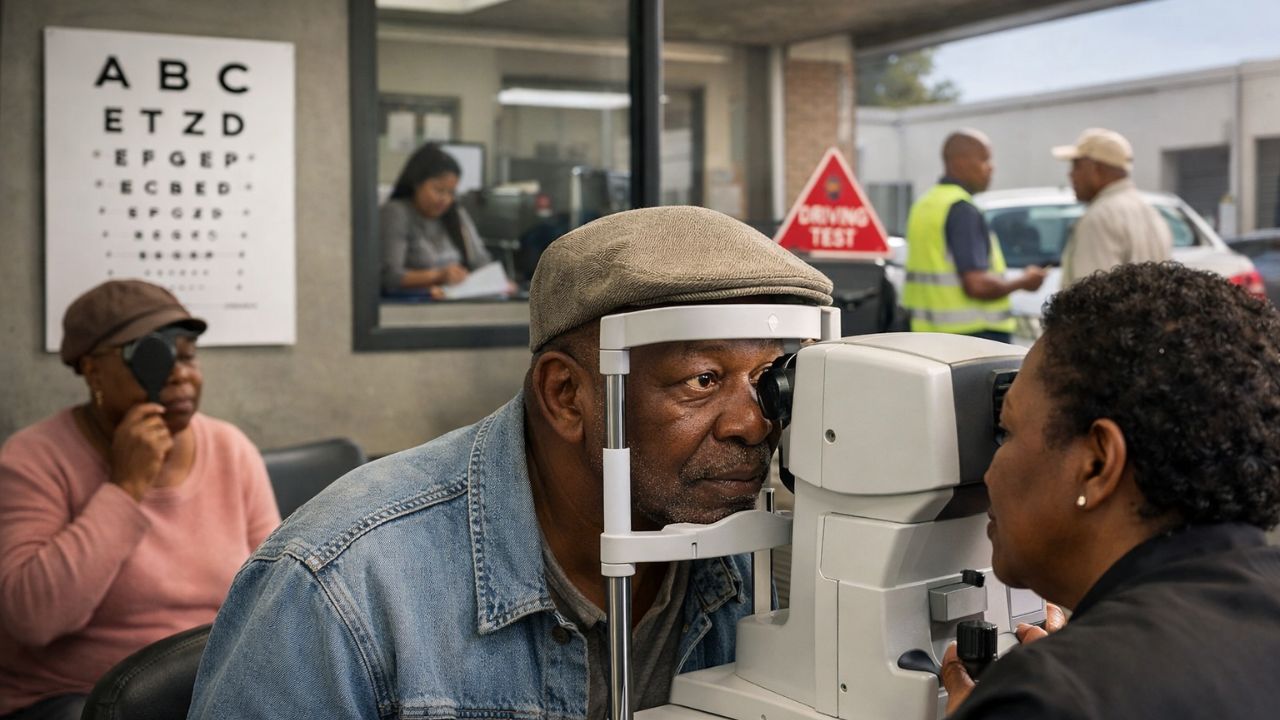

How the new vision screening process will work
Under the updated system, drivers will need to complete an eyesight check at the time of renewal, either at authorised centres or with recognised medical professionals. The eye test frequency will align with licence renewal cycles, making the process predictable and manageable. Applicants must meet minimum vision standards set by transport authorities, ensuring consistency nationwide. Results from approved testing centres can be uploaded digitally, simplifying paperwork. Clear guidance on renewal application steps is expected to help older drivers prepare in advance and avoid last-minute delays.
What drivers aged 60+ should do to prepare
Preparation will be key for drivers adjusting to the new requirement. Staying informed improves older driver awareness and reduces anxiety around renewal. Experts recommend early eye checks, even before a licence expires, to address minor vision issues in time. Corrective measures like updated glasses can deliver a real driving confidence boost. Most importantly, addressing eyesight problems early can lower preventable accident risks, helping seniors continue driving safely while protecting other road users.
Summary and practical impact
Overall, India’s move toward mandatory vision screening represents a careful attempt to strike a public safety balance between independence and responsibility. While some drivers may initially see the rule as inconvenient, it supports responsible mobility in an ageing population. In the long run, better eyesight monitoring can lead to long-term benefits, including safer roads, fewer accidents, and greater confidence for senior drivers and their families.
 Smart Speed Cameras: South Africa Starts R2,000 Fines in February 2026 and Drivers Face New Risks
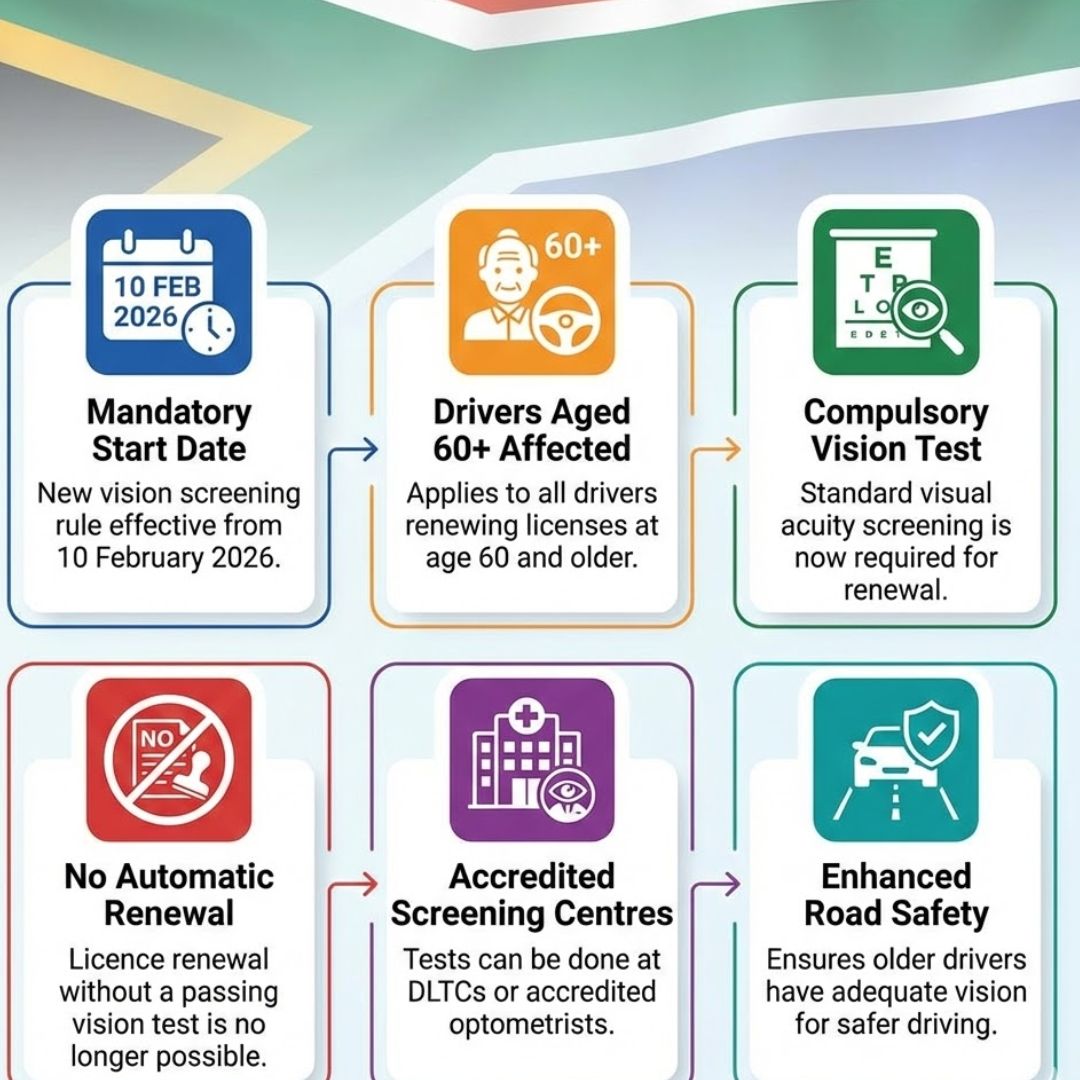
| Age Group | Requirement | Test Type | Start Date |
|---|---|---|---|
| Below 60 | Standard renewal | No vision test | Ongoing |
| 60–69 | Renewal with screening | Basic vision test | 10 Feb 2026 |
| 70–79 | Renewal with screening | Vision and clarity check | 10 Feb 2026 |
| 80+ | Renewal with screening | Enhanced vision review | 10 Feb 2026 |
Frequently Asked Questions (FAQs)
1. Who must take the new vision screening test?
All drivers in India aged 60 and above renewing their licence must complete the test.
2. When does the rule come into effect?
The mandatory vision screening starts from 10 February 2026.
3. Is the vision test complicated?
No, it is a basic eyesight check focused on safe driving ability.
4. Can drivers use their own eye doctor’s report?
Yes, reports from approved medical professionals will be accepted.