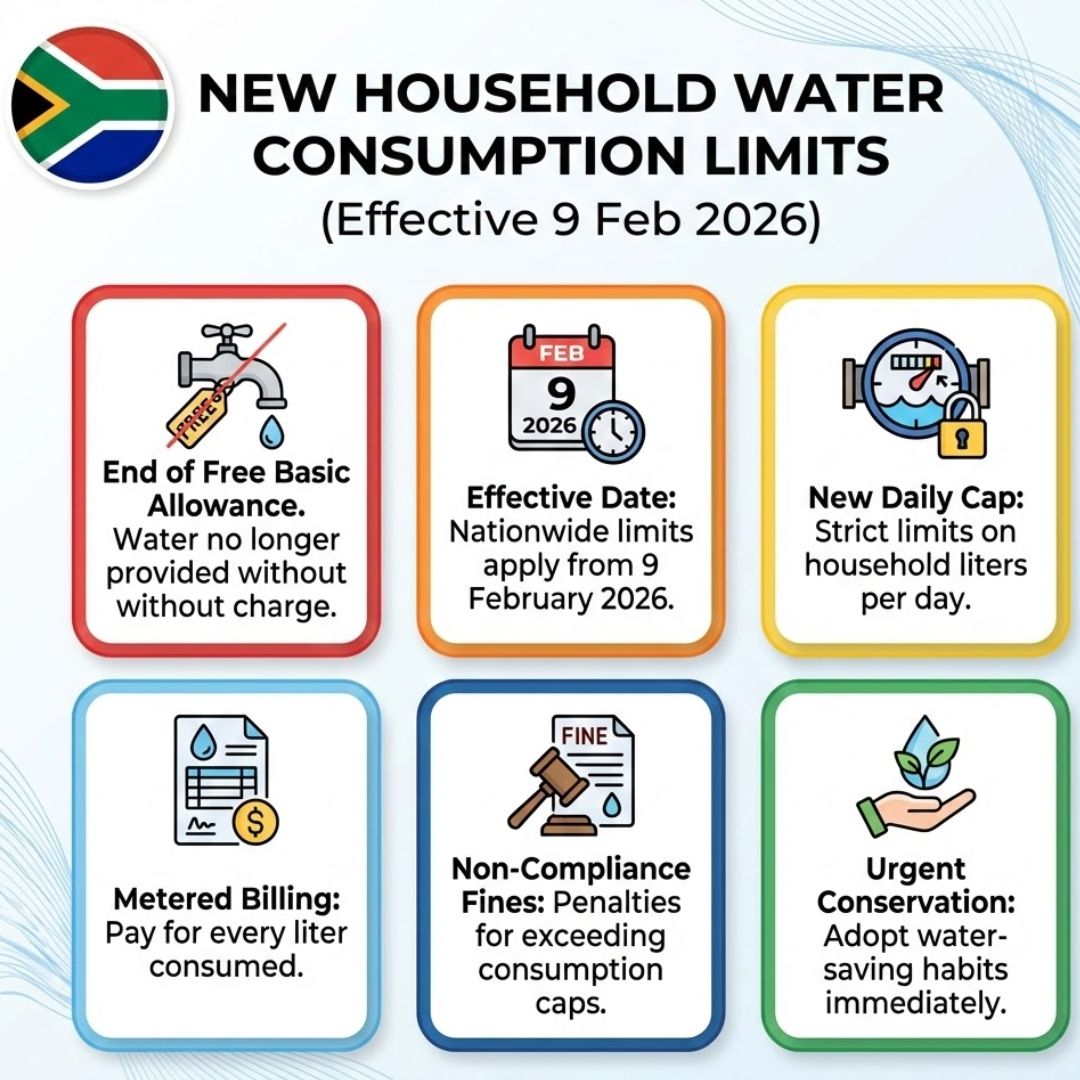
From 9 February 2026, India will see a major shift in how household water use is managed, as the long-standing free water allowance comes to an end nationwide. The new policy introduces fixed consumption limits for residential users, aiming to address growing water stress, population pressure, and uneven supply across regions. While essential water access remains protected, households exceeding the defined thresholds will now face higher charges. The change marks a significant move toward responsible usage and signals a broader effort to balance affordability with long-term sustainability.
End of Free Water Allowance and New Limits
The removal of the free water allowance means households across India must now stay within clearly defined usage brackets. Under the new system, every connection is assigned monthly limits based on household size and location. Once these limits are crossed, consumption is billed at higher slab rates. Officials say this approach encourages fairness while discouraging wasteful practices. With reservoirs under pressure and groundwater levels falling, the introduction of new usage caps is designed to promote mindful consumption without cutting off basic needs. For many families, this will require closer tracking of daily water habits.
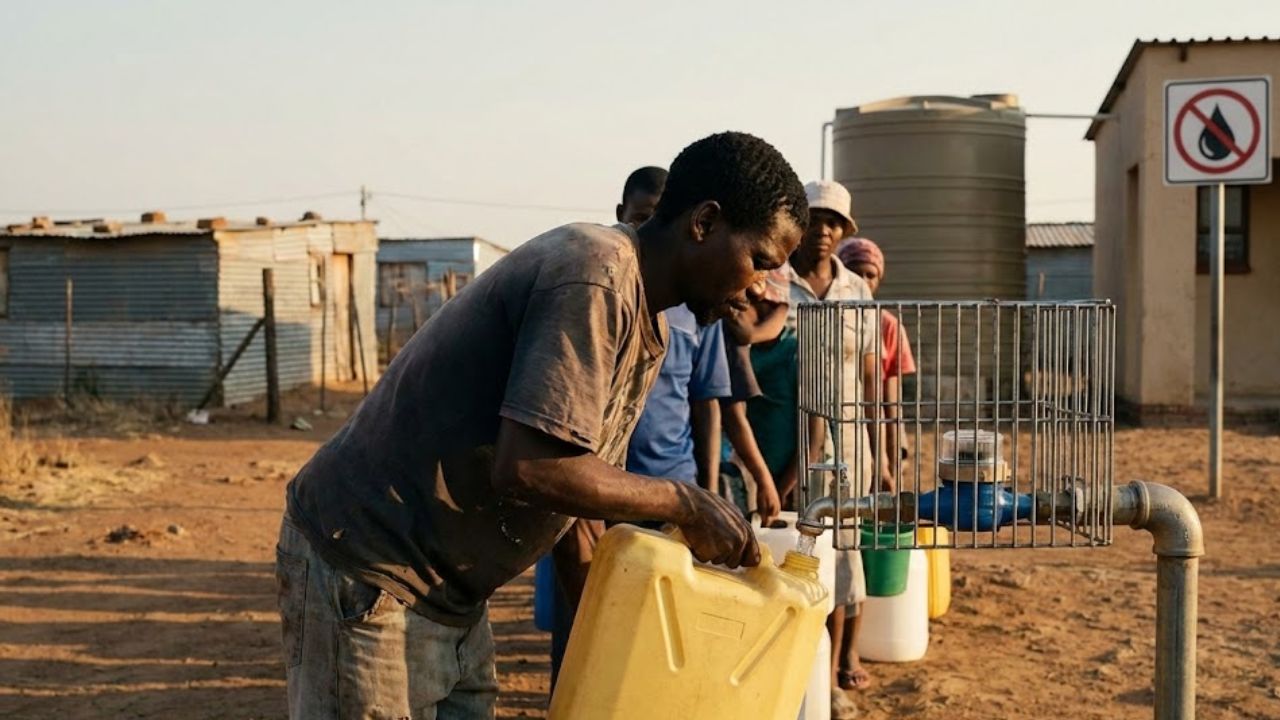
How Household Consumption Rules Will Be Enforced
To ensure compliance, authorities are tightening household consumption rules through upgraded billing systems and wider use of smart meters. These tools allow utilities to track real-time usage and flag excessive consumption early. Households that regularly exceed limits may see penalty charges added to their monthly bills, rather than sudden service restrictions. Increased meter monitoring also helps reduce disputes by providing transparent data. While enforcement sounds strict, officials emphasize that the focus is on gradual behavior change rather than punishment, especially during the initial adjustment period.
 Smart Speed Cameras: South Africa Starts R2,000 Fines in February 2026 and Drivers Face New Risks
Why India Is Enforcing Nationwide Water Limits
The policy is part of a broader water conservation push driven by climate variability and rising demand. Rapid urbanization has intensified urban demand, while infrastructure struggles to keep pace. At the same time, rising utility costs make it harder for governments to subsidize unlimited use. By setting consumption boundaries, planners hope to protect future supply, reduce system losses, and encourage investments in rainwater harvesting and reuse. The aim is not just restriction, but building a culture of shared responsibility around water use.
What This Change Means for Households
For most families, adapting early can lead to long term savings and fewer billing surprises. Simple changes in daily habits, such as fixing leaks or reusing greywater, can keep usage within limits. Over time, the policy impact may extend beyond bills, influencing how homes are designed and how communities value water. While the end of free allowances may feel abrupt, supporters argue it creates a fairer, more resilient system that reflects the true value of a limited resource.
| Household Type | Monthly Free Limit | Post-Limit Rate |
|---|---|---|
| Small family (1–2) | Up to 10 kL | ₹15 per kL |
| Medium family (3–4) | Up to 15 kL | ₹20 per kL |
| Large family (5+) | Up to 20 kL | ₹25 per kL |
| Urban apartments | As per flat size | ₹20–₹30 per kL |
Frequently Asked Questions (FAQs)
1. When do the new water limits start?
The nationwide limits take effect from 9 February 2026.
 Goodbye to Unreported Income: SASSA Issues Grant Suspension Alerts Ahead of 7 February 2026
2. Will basic water needs still be protected?
Yes, essential household usage remains covered within initial limits.
3. How will excess usage be charged?
Water used beyond the limit will be billed at higher slab rates.
4. Can households appeal incorrect bills?
Yes, consumers can request meter checks and billing reviews.