The concept of a free water allowance has been a standard part of many households’ budgets for years, but as of 15 February 2026, new regulations are set to change that in Australia. This shift will affect the way residents approach their water usage, with new household consumption limits enforced across the country. With water prices rising and restrictions becoming more stringent, it’s essential to understand how these new policies will impact daily life, and what steps can be taken to adjust accordingly.

Free Water Allowance No More: Household Water Usage Changes
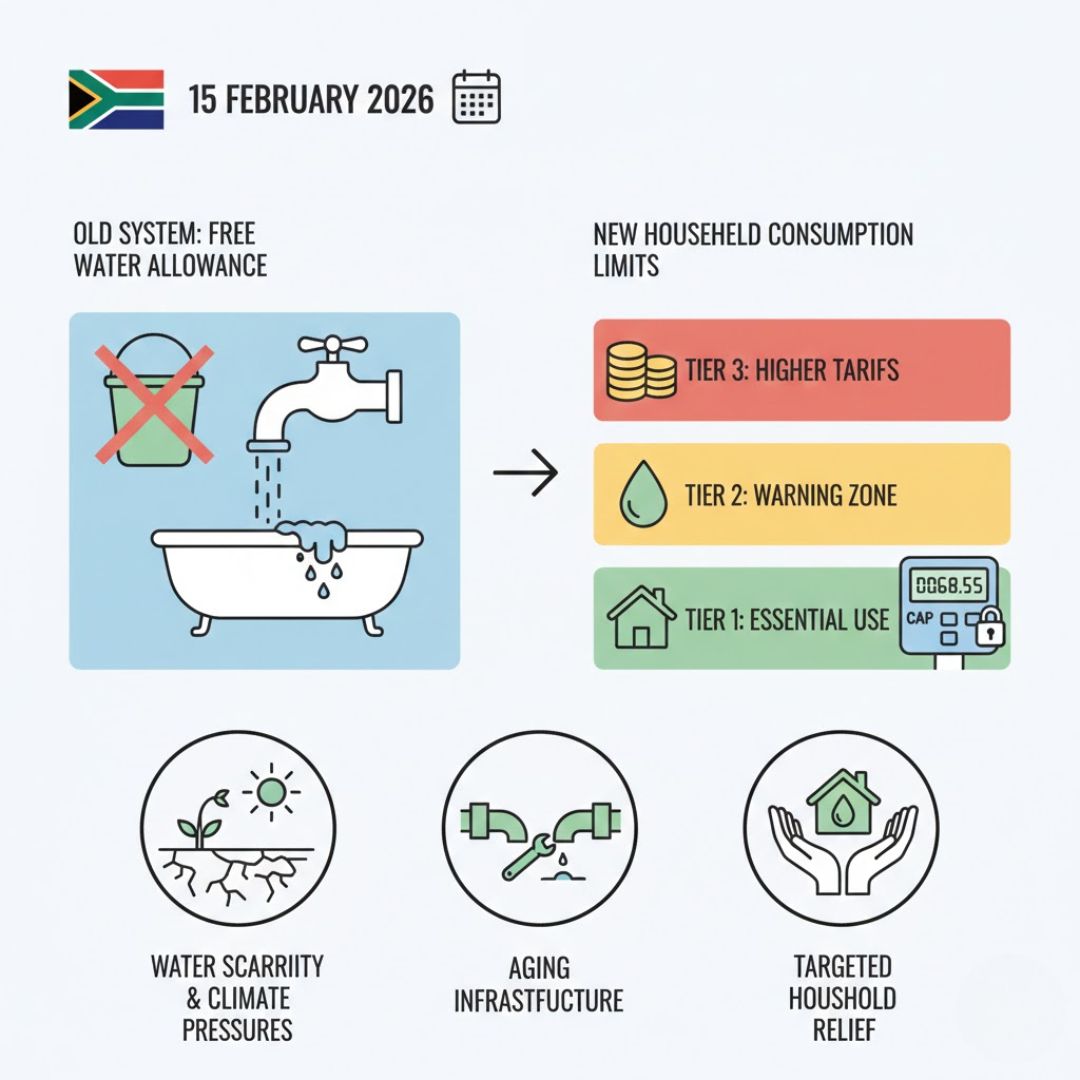
From 15 February 2026, Australians will see significant changes to their household water consumption limits. The long-standing free water allowance will no longer be available, which means households will need to monitor their usage more closely than ever before. With rising water costs and increased demand, these changes are designed to encourage more sustainable consumption. Families and individuals will have to adjust their water habits to avoid extra charges, potentially facing new penalties for excessive use. This transition will require households to reconsider how they use water every day, from showers to laundry practices.
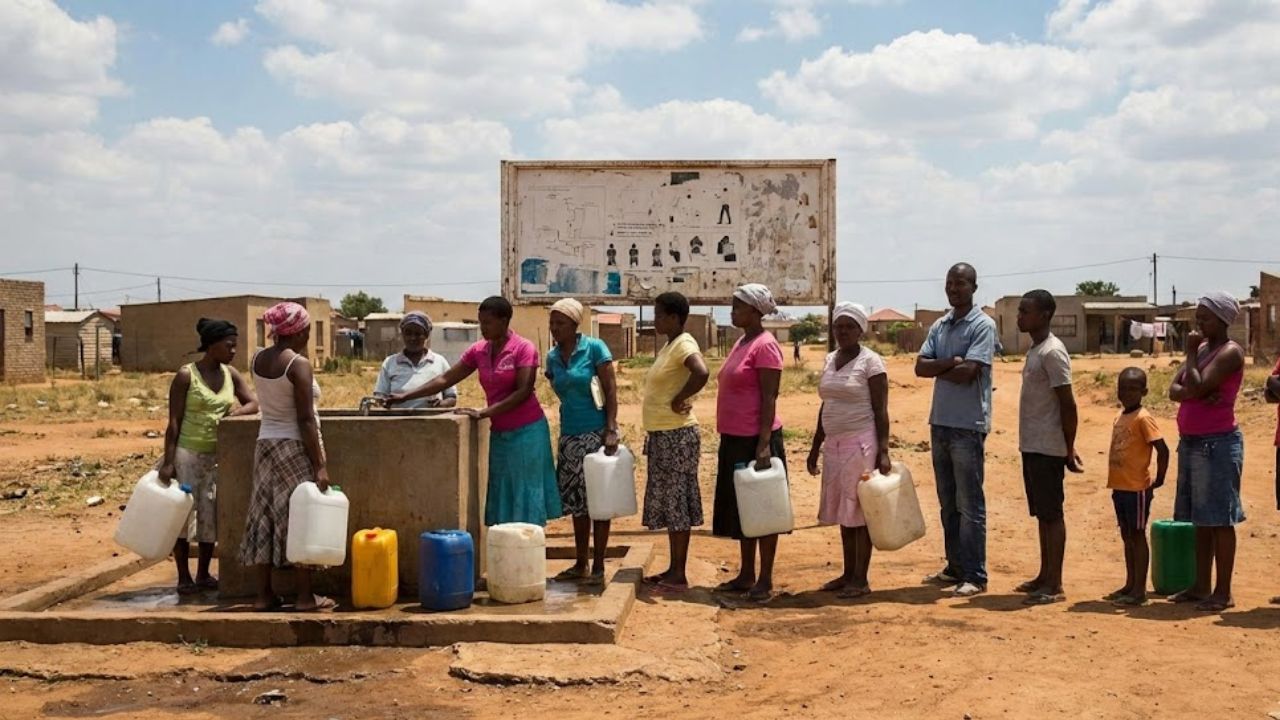
What Do the New Consumption Limits Mean for Households?
The new water consumption limits mean that households will be allocated a fixed amount of water per billing cycle, beyond which extra charges will apply. For many families, this could be a challenge, especially in areas where water is already in high demand. The introduction of this policy is partly driven by the need to address water scarcity and ensure fair usage distribution across urban and rural areas. Households will need to become more aware of their daily water usage to avoid financial strain, such as turning off taps when not in use and adopting water-saving devices like low-flow showerheads.
 Goodbye to R350 Grant Delays: Faster SASSA Payment Processing Begins From 15 February 2026
How Can Households Adapt to the New Water Restrictions?
Adapting to these new water restrictions requires some lifestyle changes, but it’s certainly possible. Households can start by investing in water-efficient appliances that use less water for tasks like washing dishes and laundry cycles. Encouraging everyone in the household to be mindful of their water consumption—such as turning off taps when brushing teeth or fixing leaky faucets—can also make a big difference. Additionally, individuals should consider rainwater harvesting systems for outdoor use, which can help reduce the impact on the household’s overall water usage costs.
Summary and Analysis
The new water consumption limits set to be enforced from 15 February 2026 represent a shift towards more sustainable water usage practices across Australian households. While this policy may seem challenging at first, it encourages better water management, which could lead to long-term benefits for both households and the environment. By making simple adjustments like using water-efficient appliances and being mindful of everyday water habits, families can avoid extra charges and contribute to water conservation efforts.
| Policy Change | Effective Date | Impact on Households |
|---|---|---|
| End of free water allowance | 15 February 2026 | Extra charges for exceeding limits |
| Introduction of fixed consumption limits | 15 February 2026 | Need for careful monitoring of water usage |
| Water-efficient appliances promotion | From February 2026 | Lower water bills through energy-efficient devices |
| Penalties for excessive water use | 15 February 2026 | Increased financial pressure on high users |
Frequently Asked Questions (FAQs)
1. What is the eligibility for the new water consumption limits?
All households in Australia will be affected by the new water consumption limits, regardless of location.

2. How can I reduce my water usage?
Invest in water-efficient appliances and adopt daily water-saving habits like shorter showers and fixing leaks.
3. What penalties will households face for exceeding water limits?
Households will incur extra charges for exceeding the designated water consumption limits.
4. When will these water consumption limits be enforced?
The new limits will be enforced starting from 15 February 2026.